Ace Hardware in Syracuse NY & Central New York
Tools, Paint, Hardware & Home Improvement
Ace Hardware Near Syracuse
Ace Hardware is a cooperative of locally owned stores offering tools, paint, hardware, lawn & garden supplies, plumbing, electrical, and home improvement essentials. Known for “The Helpful Place” service, Ace provides expert advice, key cutting, paint matching, propane exchange, and tool rentals.
In Syracuse and Onondaga County, Ace Hardware has multiple convenient locations serving the city and suburbs. These stores are locally owned, offering personalized service and community support. Online shopping at acehardware.com provides parts lookup, same-day pickup, and delivery to CNY. Community-updated — email jim@syr-area.com with changes or corrections.
Key stores and online options for hardware & home improvement in CNY.
Ace Hardware Store Locator
Find all the locations near you. — Tools, paint, hardware, lawn & garden, plumbing, electrical — key cutting, paint matching, propane exchange, tool rentals, expert advice. Ace Hardware Store Locator
Ace Hardware Online – Ships to CNY
Full catalog — tools, paint, lawn & garden — same-day pickup. Ace Hardware Official Site
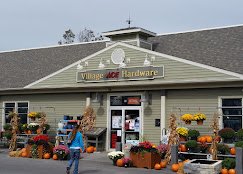
Village Hardware
Address: 43 E Genesee St, Baldwinsville, NY 13027
Phone: (315) 638-4026
Website: Village Hardware
Locally owned shop, with a gift shop, for hardware. Highlights: Repair services · In-store pickup
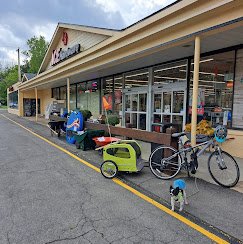
Brewerton Ace Hardware
Address: 9655 Brewerton Rd, Brewerton, NY 13029-9704
Phone: (315) 676-0021
Website: Brewerton Ace Hardware
Dealership Quality Car Key Cutting at Your Local Ace®. Hardware store stocking household tools, garden supplies, home decor & more.

Blanding Hardware & Building
Address: 499 State Route 31, Bridgeport, NY 13030-9509
Phone: (315) 633-5731
Website: Blanding Hardware & Building
Family-run hardware store providing knowledgeable advice and assembly service.
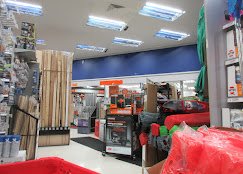
Cicero Ace Inc
Address: 8379 Thompson Rd, Cicero, NY 13039-9390
Phone: (315) 288-4204
Website: Cicero Ace Inc
Our Ace Hardware location at 8379 Thompson Rd is customer-focused team members to our growing store in Cicero.
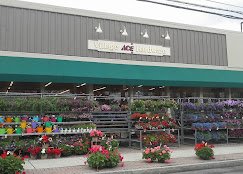
Village Ace Hardware
Address: 204 S Manlius St, Fayetteville, NY 13066-2039
Phone: (315) 637-7696
Website: Village Ace Hardware
Hardware store stocking household tools, garden supplies, home decor & more.
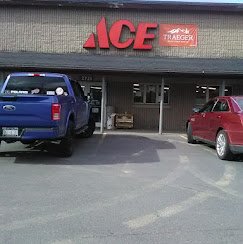
Northern Ace Home Center
Address: 2721 State Route 3, Fulton, NY 13069-4879
Phone: (315) 592-2063
Website: Northern Ace Home Center
Shop at Northern Ace Home Center at 2721 State Route 3, Fulton, NY, 13069 for all your grill, hardware, home improvement, lawn and garden, and tool needs.
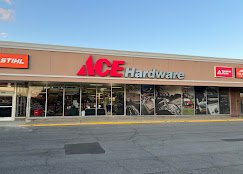
Liverpool Ace Hardware
Address: 658 Old Liverpool Rd, Liverpool, NY 13088-6047
Phone: (315) 883-0015
Website: Liverpool Ace Hardware
We are all committed to being "the Helpful Place" by offering our customers personal service, quality products and a convenient shopping experience from the local experts who know you best.
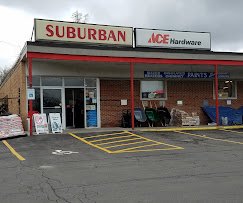
Suburban Hardware Inc
Address: 7990 Oswego Rd, Liverpool, NY 13090-1951
Phone: (315) 652-7850
Website: Suburban Hardware Inc
A Helpful Place offering our customers personal service, quality products and a convenient shopping experience.
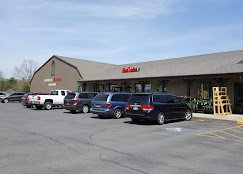
Manlius Ace Home Center
Address: 8225 Cazenovia Rd, Manlius, NY 13104-8727
Phone: (315) 682-6531
Website: Manlius Ace Home Center
Friendly hardware shop featuring tools, paint, keys and DIY supplies. Highlights: Repair services · In-store pickup · Accepts credit cards
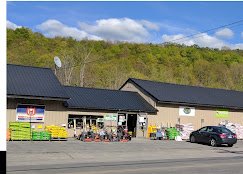
Nightingale Mills Ace Hardware
Address: 4068 S Street Road, Marcellus, NY 13108-9767
Phone: (315) 673-2001
Website: Nightingale Mills Ace Hardware
Longstanding local store (part of the ACE Hardware chain) for tools and supplies for the home and garden. Highlights: Has battery recycling · Repair services · In-store pickup
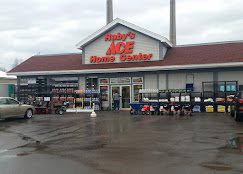
Raby's Ace Home Center
Address: 247 Washington Blvd, Oswego, NY 13126-1751
Phone: (315) 342-9663
Website: Raby's Ace Home Center
Raby's Ace Home Center Kitchen & Bath Showroom.
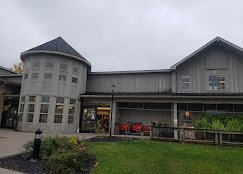
Skaneateles Town Square
Address: 61 Fennell St, Skaneateles, NY 13152-1119
Phone: (315) 685-5748
Website: Skaneateles Town Square
Hardware store stocking household tools, garden supplies, home decor & more. Highlights: Repair services · In-store pickup
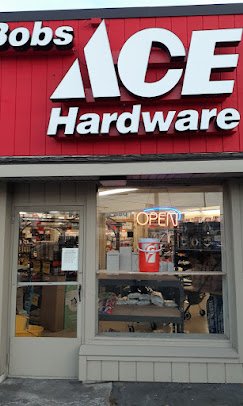
Bob's Ace Hardware
Address: 4805 S Salina St, Syracuse, NY 13205-2704
Phone: (315) 469-4065
Website: Bob's Ace Hardware
Bob's Ace Hardware was started in 1973 at the corner of South Salina St. and Seneca Turnpike. We are proud of our connection to the Local Valley community and will be glad to assist our customers and make their shopping experience a pleasant one.
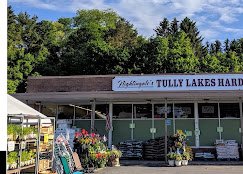
Nightingale's Tully Lakes Hardware
Address: 6 Elm St, Tully, NY 13159-2498
Phone: (315) 238-7050
Website: Nightingale's Tully Lakes Hardware
Store selling tools, gardening supplies and other home-improvement staples, along with service. Highlights: Has battery recycling · Repair services · In-store pickup
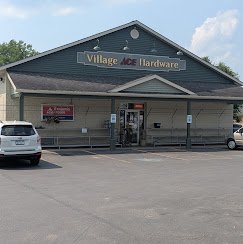
Village Ace Hardware
Address: 2701 Erie Dr, Weedsport, NY 13166-9465
Phone: (315) 834-2275
Website: Village Ace Hardware
Village Ace Hardware in Weedsport, NY, offers a comprehensive selection of home improvement products, including paints, lawn care supplies, and outdoor power equipment.
Seasonal Gardening Tips for Central New York
Syracuse-area gardeners (Zone 5b–6a) face cold winters, late springs, humid summers, and early fall frosts. Here’s a quick seasonal guide:
Spring (April–May)
- Wait until after the last frost (usually mid-May) before planting tender annuals and veggies.
- Start cool-season crops (lettuce, spinach, peas, radishes) as soon as soil is workable.
- Apply slow-release fertilizer and mulch to retain moisture as temperatures rise.
- Prune roses and summer-blooming shrubs before new growth starts.
Summer (June–August)
- Water deeply (1 inch per week) during dry spells; morning watering reduces fungal disease.
- Deadhead flowers regularly to encourage more blooms (especially on annuals and perennials).
- Watch for Japanese beetles, aphids, and powdery mildew—use neem oil or insecticidal soap early.
- Harvest vegetables frequently to keep plants producing (zucchini explodes if left too long!).
Fall (September–October)
- Plant spring bulbs (tulips, daffodils) in late September–early October for best root growth.
- Divide and replant overcrowded perennials; add compost to beds before winter.
- Clean up fallen leaves to prevent fungal diseases and mice nests.
- Protect tender perennials with mulch or burlap after the first hard frost.
Winter (November–March)
- Plan next year: order seeds, sharpen tools, review what worked/didn’t.
- Protect young trees/shrubs from vole damage with hardware cloth or plastic guards.
- Check stored bulbs/tubers (cannas, dahlias) for rot; discard any soft spots.
- Start indoor seeds under grow lights in February–March for tomatoes and peppers.
Pro tip: Visit your local Ace Hardware for soil tests, mulch, seeds, and winter protection supplies—they carry regionally appropriate products and can offer personalized advice.
Ace Hardware Holiday Gift Ideas for 2026–2027
Practical, home-focused gifts from Ace Hardware — tools, decor, outdoor items — perfect for holiday projects and CNY winter prep.
Home & Tool Gifts
- Tool Set or Power Tool — practical for home projects or gifts for DIYers.
- Holiday Lights or Decor — festive outdoor/indoor items for winter.
- Gloves or Workwear — warm, durable for cold weather tasks.
- Ace Hardware Gift Card — flexible for any amount, redeemable in-store or online.
Stocking Stuffers & Gifts Under $50
- Small Tool Kit or Flashlight — practical, useful fillers.
- Gloves or Socks — warm winter essentials.
- Holiday Decor or Ornament — affordable home accents.
- Ace Hardware Gift Card — always a safe, appreciated choice.
Pro tip: Visit Ace Hardware locations in Syracuse or Clay in December for holiday home deals and gift-wrapping. Online at acehardware.com offers fast shipping and easy returns — perfect if you’re shopping from home.
Ace Hardware FAQ
Where are the Ace Hardware stores located in Syracuse and Central New York?
Because we feature 15 different stores on this page, there isn't just one Central New York location! You can find an independently owned Ace Hardware in neighborhoods all over Onondaga, Oswego, and Madison counties.
Do all the Central New York locations have the same store hours?
No. Because each Ace Hardware operates as an independent, retailer-owned cooperative, hours vary by location. Many locations, like Liverpool Ace Hardware, are open from 8:00 AM to 8:00 PM on weekdays. Other regional stores, such as Northern Ace Home Center in Fulton, open earlier at 7:00 AM. Sunday hours are typically shortened across all stores, often closing by 4:00 PM or 5:00 PM.
Can I use my Ace Rewards and corporate coupons at any of these stores?
Yes, you can earn and use standard Ace Rewards points at all 15 participating CNY locations. However, because these stores are independently owned, certain regional restrictions may apply to specific corporate coupons, clearance items, or local promotions. We highly recommend checking with your local store associate or reviewing the fine print on your coupon before checkout.
Do all of these locations carry the same products and specialty brands?
While every store carries core home improvement essentials (tools, paint, plumbing, and electrical), specialty inventory scales with the size of the store. Major premium brands like Weber, Traeger, Big Green Egg, STIHL, and Benjamin Moore paint are widely available across CNY, but specific models or live plant availability at local garden centers will differ.