Central New York Civil Rights & Abolitionist Trail
Syracuse • Fayetteville • Auburn • Seneca Falls
Central New York was a crucial corridor for abolitionism and women’s rights in the 19th century. This trail connects powerful stories of resistance, reform, and courage along the Erie Canal route.
Key Landmarks on the Trail
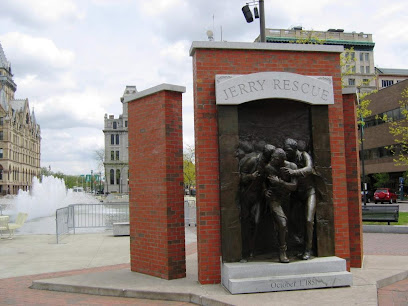
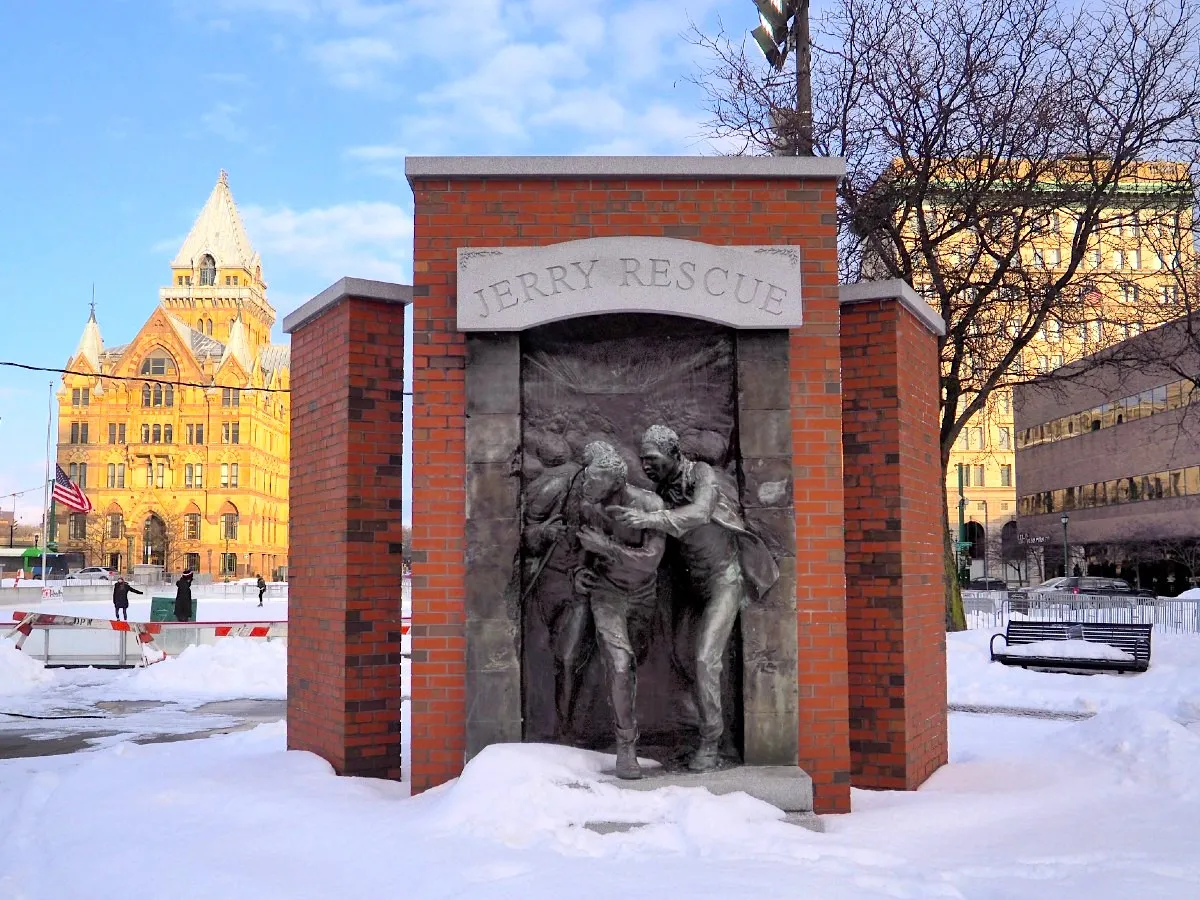
Jerry Rescue Monument – Syracuse
Address: 2 S Clinton St, Syracuse, NY 13202Phone: (315) 423-0129
Website: Jerry Rescue Monument
Located in Clinton Square, this monument honors the 1851 rescue of William “Jerry” Henry, a bold act of resistance against the Fugitive Slave Act.
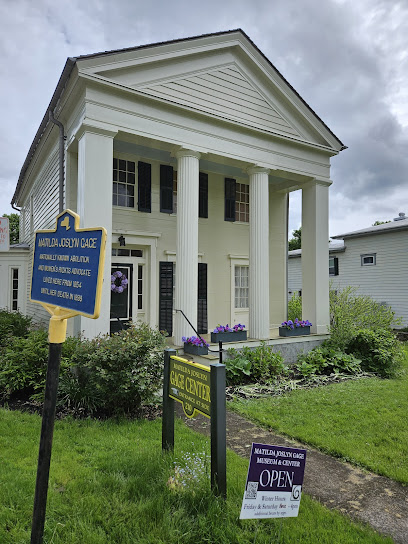
Matilda Joslyn Gage Home – Fayetteville
Address: 210 E Genesee St, Fayetteville, NY 13066Phone: (315) 637-9511
Website: Matilda Joslyn Gage Home
National Historic Landmark and home of the influential abolitionist, suffragist, and Native American rights advocate.
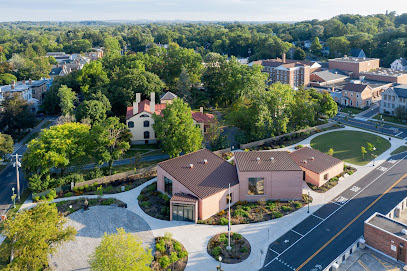
NYS Equal Rights Heritage Center – Auburn
Address: 25 South St, Auburn, NY 13021Phone: (315) 258-9820
Website: NYS Equal Rights Heritage Center
A modern interpretive center highlighting New York’s central role in civil rights, women’s rights, and abolitionist history.
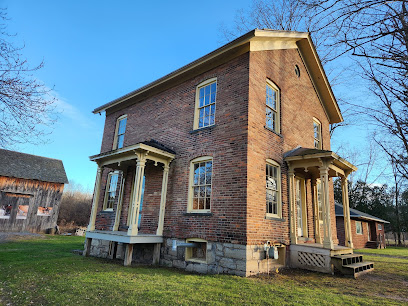
Harriet Tubman National Historical Park – Auburn
Address: 47 Parker St, Auburn, NY 13021Phone: (315) 835-5945
Website: Harriet Tubman National Historical Park
Includes Tubman’s home, the Home for the Aged she founded, and the church where she worshiped.
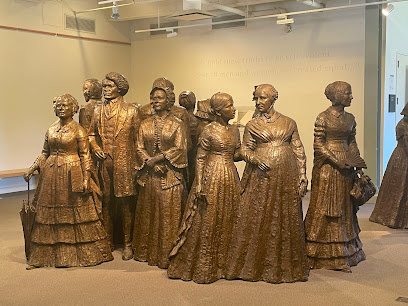
Women’s Rights National Historical Park – Seneca Falls
Address: 136 Fall St, Seneca Falls, NY 13148Phone: (315) 568-0024
Website: Women’s Rights National Historical Park
Site of the 1848 Women’s Rights Convention and birthplace of the organized women’s suffrage movement in America.
Explore the Underground Railroad Network in CNY
Central New York was a vital corridor on the Underground Railroad. Freedom seekers moved north through Syracuse, Auburn, and the Finger Lakes region toward Canada. Harriet Tubman herself made multiple trips through this area, guiding dozens to freedom.
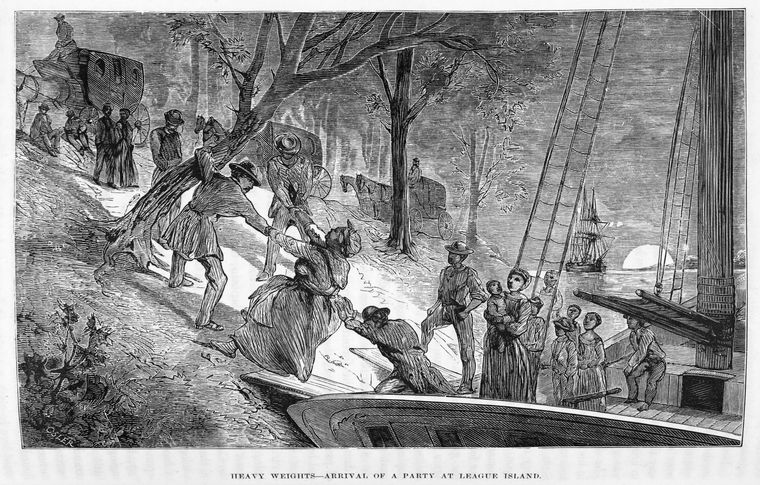
Harriet Tubman’s Underground Railroad Legacy
Website: Harriet Tubman’s Underground Railroad Legacy
Tubman used safe houses and sympathetic networks in Auburn and surrounding communities. Her courage and strategic routes made her one of the most successful conductors in history.
Syracuse & the Underground Railroad
Website: Freedom Bound: Syracuse & The Underground Railroad
Syracuse earned the nickname “The Great Station” due to its strong abolitionist community and active Underground Railroad network. Many homes and churches served as safe stops.
Syracuse Underground Railroad Sites