Onondaga Nation History, Keepers of the Central Fire
Haudenosaunee Confederacy Origin • Onondaga Lake • Sovereignty Near Syracuse
The Onondaga Nation Near Syracuse
The Onondaga Nation (Onoñda’gega’ — "People of the Hills") is one of the original five nations of the Haudenosaunee (Iroquois) Confederacy and the traditional "Keepers of the Central Fire." Their historic homeland centered on Onondaga Lake — sacred to them and just south of Syracuse — making them the political and spiritual heart of the Confederacy. Today, the Nation maintains a sovereign 7,300-acre territory near Nedrow, NY (via Route 11), about 15–20 minutes from Clay.
The Onondaga are governed by traditional chiefs and Clan Mothers under the Great Law of Peace (Kaianere’kó:wa), one of the world's oldest continuous participatory democracies. They emphasize stewardship of the land, culture, language, and ceremonies.
Community-updated — email jim@syr-area.com with corrections or additions.
Key Elements of Onondaga Nation History
Foundational moments and enduring significance near Syracuse NY.
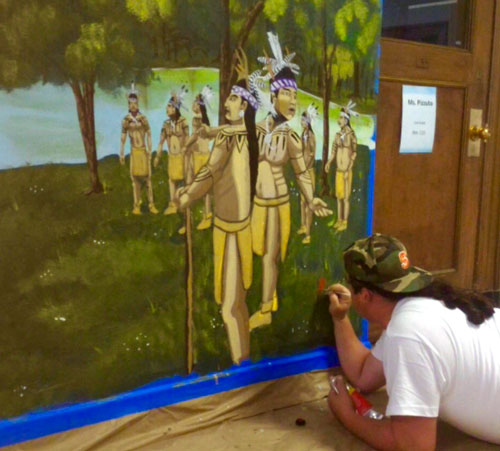
Great Law of Peace
The Peacemaker and Hiawatha united warring nations into the Haudenosaunee Confederacy on the shores of Onondaga Lake — a model of consensus governance.
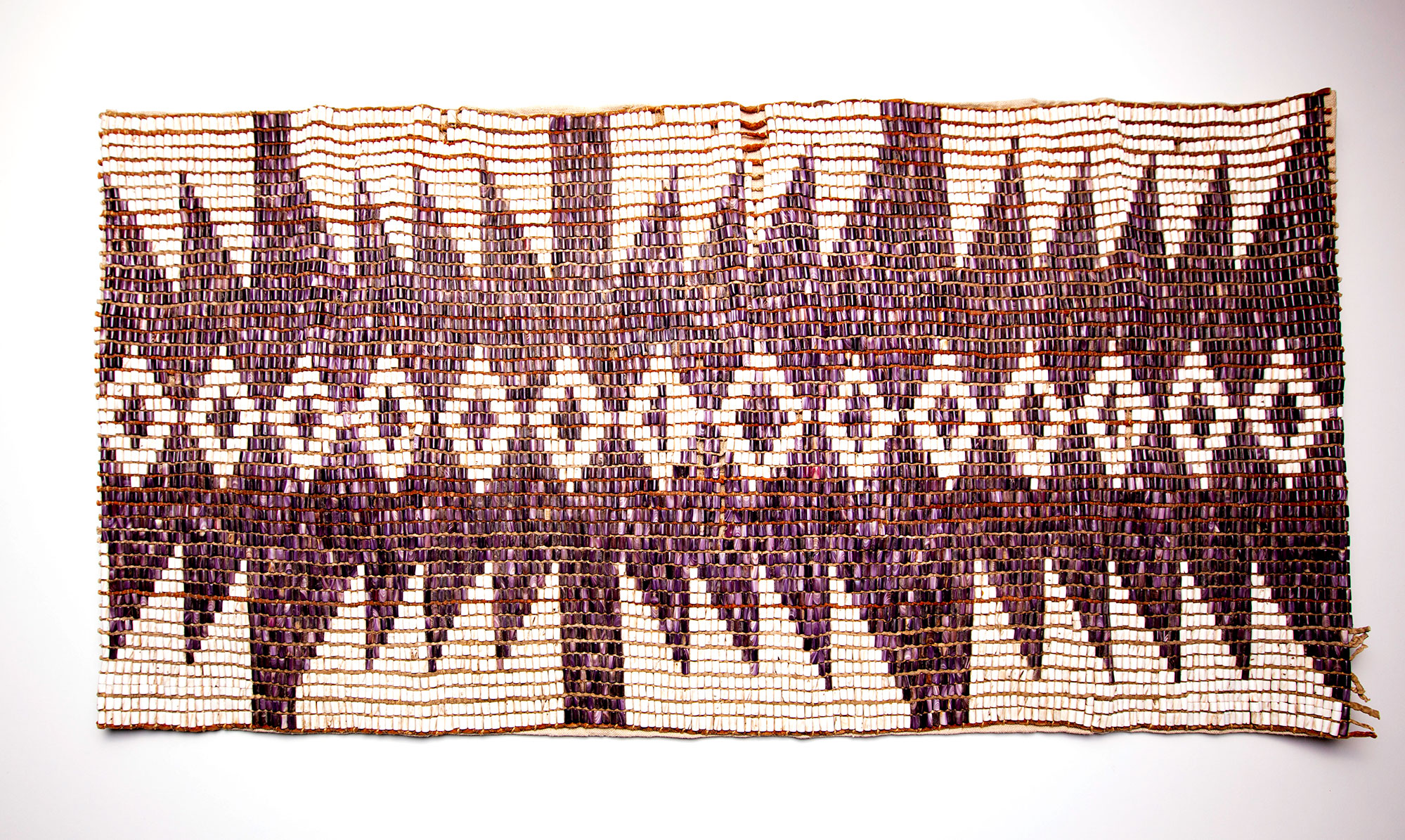
Tadodaho & Acceptance
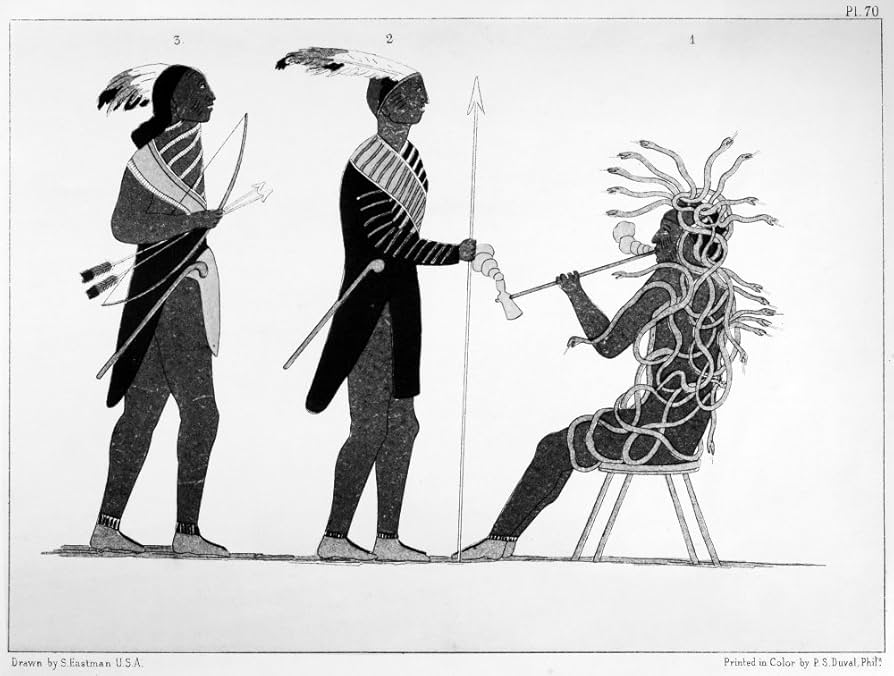
The Onondaga leader Tadodaho (with snakes in his hair) resisted then embraced peace — becoming the first chairman of the Grand Council.
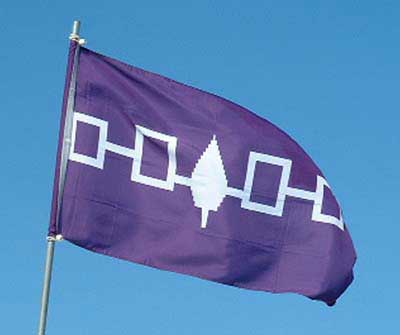
Onondaga Lake & Sovereignty
Sacred center of the Confederacy — today the Nation maintains sovereignty and advocates for lake cleanup and land rights near Syracuse.
Chronology of Nation Eras & Significant Events
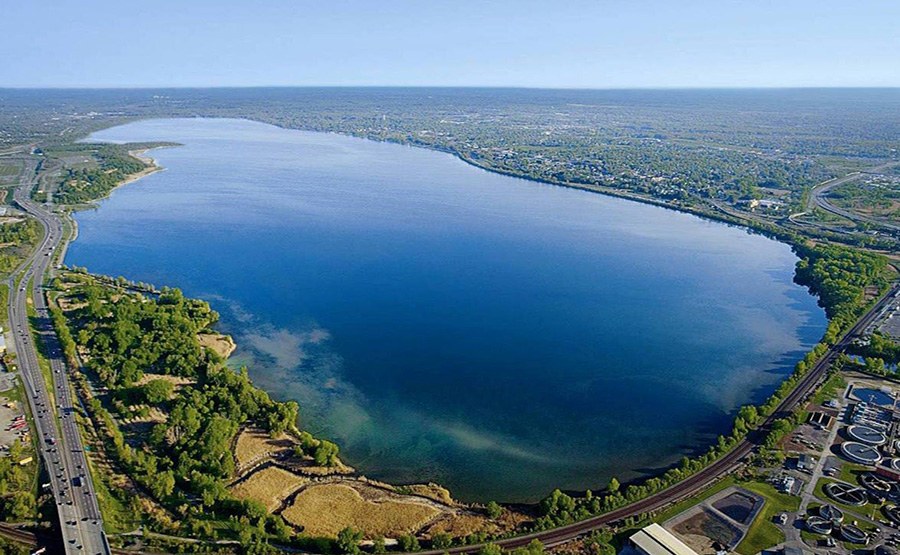
Onondaga Lake & Sacred History
Period: Over 1,000 years ago
Type: Sacred Geography
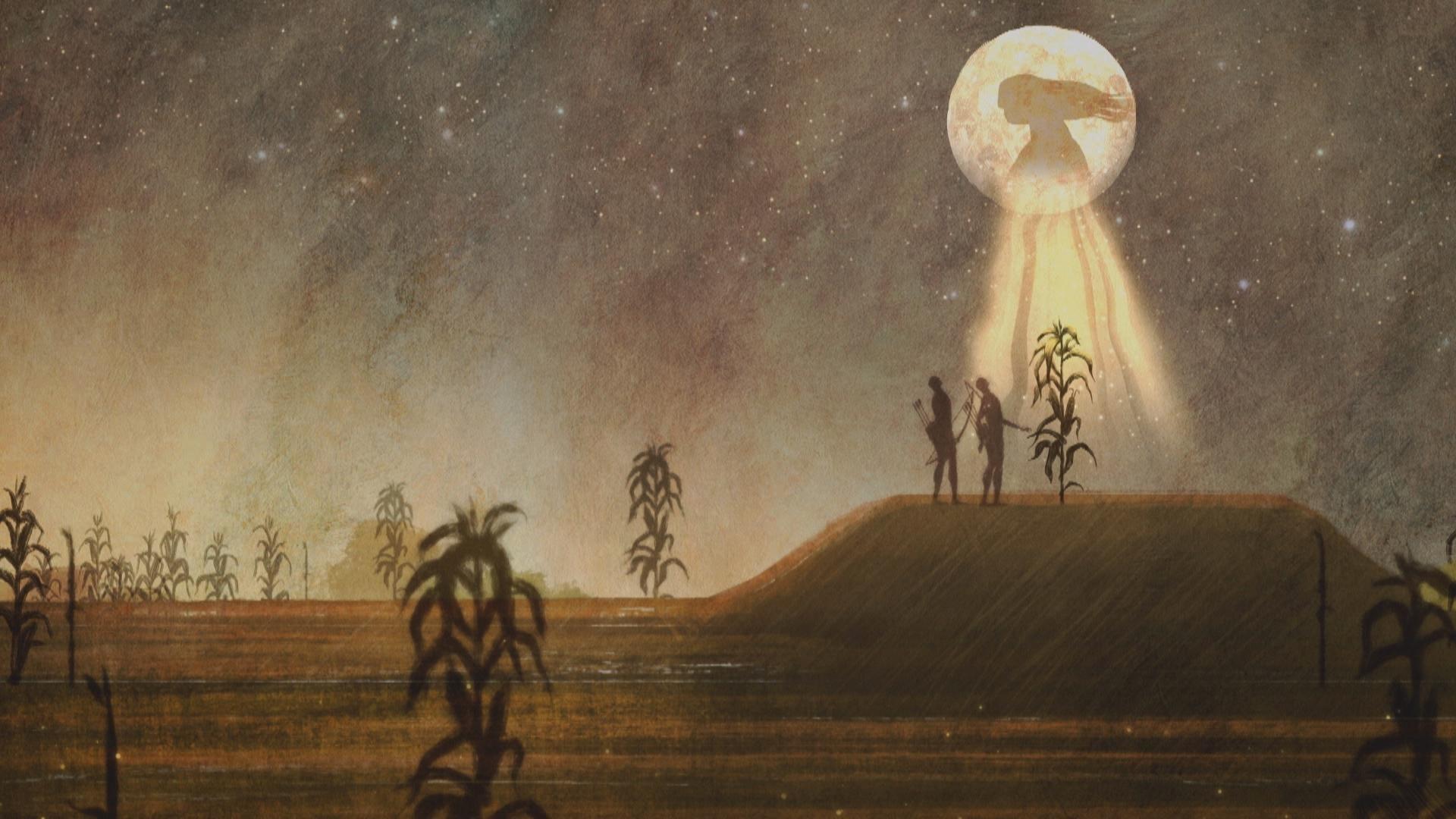
Before the Great Law, the Mohawk, Oneida, Onondaga, Cayuga, and Seneca peoples were trapped in cycles of blood feud warfare. The shores of Onondaga Lake became the setting for their historic spiritual unification.
Founding of the Confederacy
Period: Over 1,000 years ago (traditionally ~1142 AD)
Type: Haudenosaunee origin
The Peacemaker (Dekanawidah) and Hiawatha brought the Great Law of Peace to end warfare among five nations. The Grand Council first gathered on Onondaga Lake shores.
Tadodaho's Acceptance
Period: Confederacy formation
Type: Leadership transformation
Feared Onondaga leader Tadodaho resisted peace. After healing by the Peacemaker and Hiawatha, he accepted the law — snakes removed, mind cleared — becoming the first Grand Council chairman.
Colonial Era & Treaties
Period: 1600s–1794
Type: Diplomacy & land relations
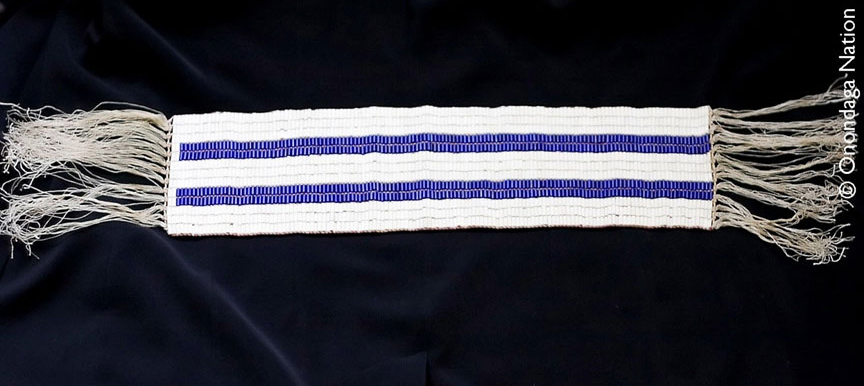
Strategic alliances formed with European powers via the Two Row Wampum (1613) and Silver Covenant Chain. Post-Revolution, the Treaty of Canandaigua (1794) formally affirmed sovereign rights.

Land Loss & Modern Advocacy
Period: 1788–present
Type: Sovereignty & advocacy
New York State illegally acquired approximately 95% of native tracts between 1788 and 1822. The Nation systematically pursues historical land rights and ecological lake restorations.
Contemporary Onondaga Nation
Location: 7,300-acre territory near Nedrow, NY
Type: Sovereign community
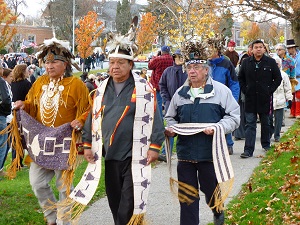
Governed by traditional chiefs and Clan Mothers. Focuses heavily on native language revitalization, cultural longhouse ceremonies, and ecological resource stewardship.