Meromictic Lakes at Green Lakes State Park
The Rare Geology Behind the Famous Turquoise Lakes Near Syracuse NY
What Are Meromictic Lakes?
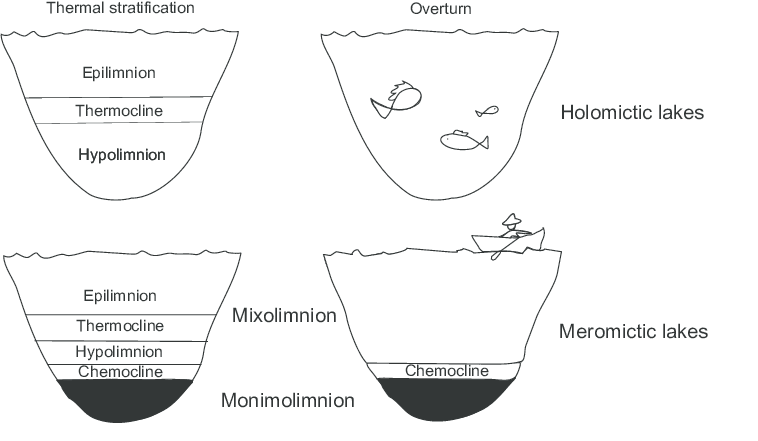
Meromictic lakes are rare bodies of water that **never fully mix**. Unlike most lakes that circulate oxygen and nutrients from top to bottom at least once a year, meromictic lakes maintain permanent layers of different densities. This creates isolated bottom waters that can remain oxygen-poor for centuries.
Green Lake and Round Lake at **Green Lakes State Park** (just east of Syracuse in Fayetteville) are two of the best-known examples in North America.
How Meromictic Lakes Work
- The upper layer (mixolimnion) mixes seasonally with wind and temperature changes.
- The deeper layer (monimolimnion) stays isolated due to higher salinity, minerals, or organic matter.
- This permanent stratification prevents normal lake turnover, often making the bottom waters anoxic (without oxygen).
Why Green Lakes Are Special
Both Green Lake and Round Lake were formed by glaciers during the last Ice Age. Their deep, sheltered basins and mineral-rich waters create the perfect conditions for meromixis. The striking turquoise color comes from high concentrations of calcium carbonate (marl) suspended in the water, combined with the unique light-filtering effect of the stratified layers.
These lakes are scientifically valuable because their undisturbed bottom sediments contain “varves” — annual layers that act like a historical record of climate and environmental changes going back thousands of years.
Visiting Green Lakes State Park
The 3–4 mile loop trail around the lakes is one of the most scenic hikes in Central New York. The vivid turquoise water is especially beautiful in summer and early fall. Swimming is allowed at the designated beach area on Green Lake.
Tip: Bring binoculars — the meromictic conditions support unique microbial communities and excellent birdwatching.